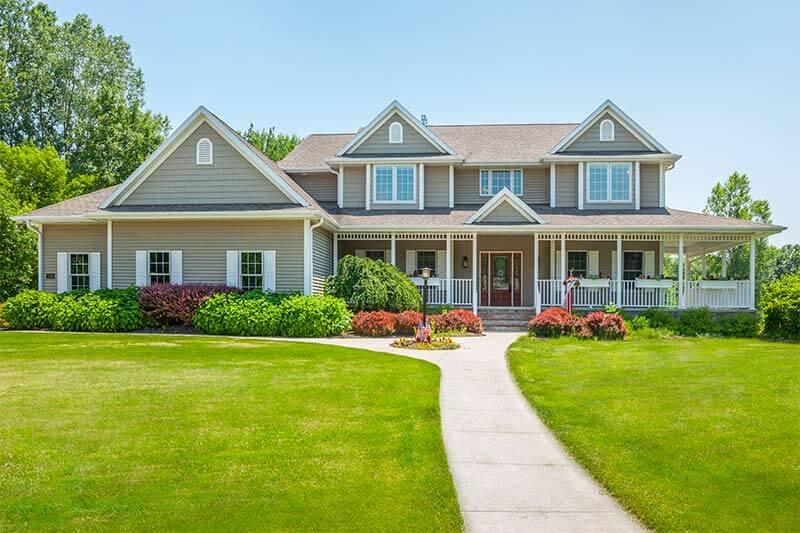
Homeowners Insurance Quotes
Compare Homeowners Insurance Quotes and Protect Your Home
Buying a home often comes with years of planning, saving, and paperwork. Once the keys are in your hand, protecting that investment becomes another important part of homeownership.
Homeowners insurance can help cover certain unexpected losses involving your house, personal belongings, and liability. But policies aren’t all the same, and the right coverage depends on the property, where you live, and the risks you’re trying to manage.
If you’re renewing an existing policy or shopping for coverage on a new home, comparing quotes is a practical place to start.
What Does Homeowners Insurance Usually Cover?
A standard homeowners policy may include several types of protection, subject to its terms, exclusions, and limits.
Dwelling Coverage
This helps pay for covered damage to the structure of your home. When choosing a limit, consider the estimated cost of rebuilding rather than simply the property’s market value.
Personal Property Coverage
Furniture, clothing, electronics, and other belongings may be covered when they’re damaged or lost in an insured event. Special limits may apply to items such as jewelry, collectibles, and expensive equipment.
Personal Liability Coverage
This may help with certain claims if you’re legally responsible for someone else’s injury or property damage.
Additional Living Expenses
If a covered loss makes your home uninhabitable, the policy may help pay eligible additional living expenses while repairs take place.
The details matter. Flood damage and earthquake damage are generally excluded from standard homeowners policies, although separate coverage may be available.
Why Do Home Insurance Quotes Vary?
Two similar houses can receive different quotes because insurers consider several factors when calculating premiums.
These may include the home’s age, roof condition, construction materials, location, claims history, replacement cost, and the coverage limits you select.
Local weather risks can also influence pricing. Homes exposed to hurricanes, wildfires, hail, or other hazards may face higher premiums or different coverage restrictions.
In some areas, finding an insurer willing to offer the coverage you need can be as important as comparing prices.
How to Compare Homeowners Insurance
Start by gathering information about your property, including its size, construction, roof, security features, and major improvements.
Request quotes with comparable dwelling limits, liability limits, deductibles, and personal property coverage. Otherwise, a cheaper quote may simply provide less protection.
Ask about available discounts for eligible home security systems, protective devices, or bundling home and auto insurance. Also review whether your belongings are insured at replacement cost or actual cash value.
Replacement-cost coverage generally considers the cost of replacing an eligible item with a comparable new one, subject to policy conditions. Actual-cash-value coverage typically accounts for depreciation.
What About High-Risk Areas?
If your property is in a flood-prone or wildfire-prone area, don’t assume every risk is included in your homeowners policy.
Check whether separate flood insurance is available or required by your mortgage lender. In areas with wildfire or hurricane exposure, ask about exclusions, special deductibles, and restrictions that could affect a claim.
You should also make sure your dwelling limit reflects realistic rebuilding costs. Construction expenses can change over time, so reviewing your coverage periodically is worthwhile.
Find Homeowners Insurance That Fits Your Property
The best policy is one that provides appropriate protection at a cost you can manage.
Compare quotes carefully, read the exclusions, and ask the insurer to explain any coverage gaps before purchasing.
CTA: Compare Homeowners Insurance Quotes
Frequently Asked Questions
Is homeowners insurance legally required?
There is generally no nationwide law requiring every homeowner to carry homeowners insurance. However, mortgage lenders commonly require it under the loan agreement.
Does homeowners insurance cover flooding?
Standard policies generally exclude flood damage. Separate flood insurance may be needed.
How much homeowners insurance do I need?
Consider the estimated rebuilding cost, the value of your belongings, liability exposure, and lender requirements.
Can I change homeowners insurance companies?
Usually, yes. Check your mortgage requirements and coordinate the new policy’s effective date before cancelling existing coverage.
Why did my homeowners insurance premium increase?
Premiums may change because of rebuilding costs, weather-related losses, local risks, claims history, insurer pricing, or changes to your policy.
Post Comment