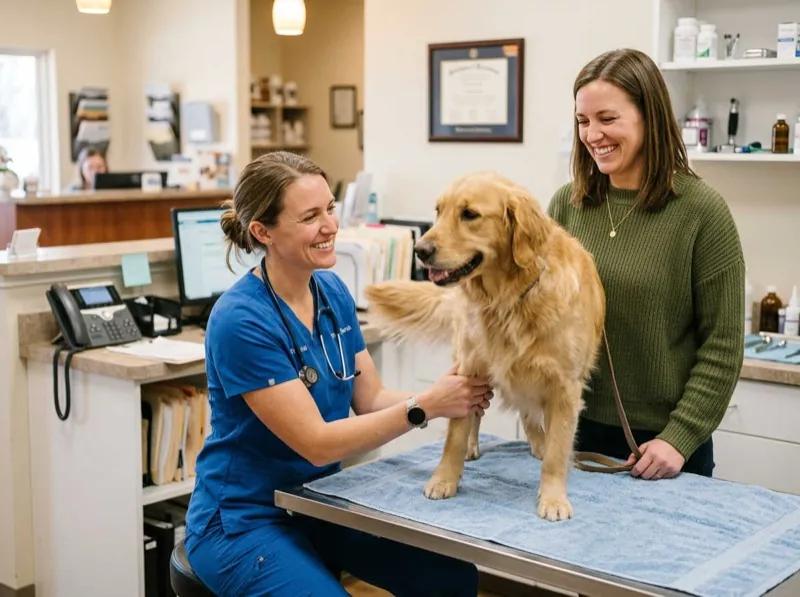
Pet Insurance for Dogs and Cats
What Every Pet Owner Should Know
Anyone who has taken a dog or cat to the veterinarian knows that even a routine visit can lead to unexpected expenses. When a pet needs surgery, diagnostic tests, or ongoing treatment, the bill can be much higher than anticipated.
Pet insurance is one option for managing some of those costs. Depending on the policy, it can reimburse eligible veterinary expenses after an accident or illness.
It won’t cover everything, and the details vary between insurers. Understanding those details before enrolling can help you avoid surprises when your pet needs care.
What Types of Pet Insurance Are Available?
Most pet insurance policies fall into a few broad categories.
Accident-Only Coverage
These plans focus on eligible injuries, such as certain broken bones or injuries caused by accidents.
Accident and Illness Coverage
These policies may cover eligible treatment for accidents and illnesses, including certain diagnostic tests, medications, and veterinary procedures.
Wellness or Preventive Care Add-Ons
Some insurers offer optional benefits for routine services, such as vaccinations or preventive examinations. These benefits may work differently from traditional insurance coverage and may have specific limits.
Before choosing a plan, check exactly which treatments and conditions are included.
How Much Does Pet Insurance Cost?
The price depends on several factors, including your pet’s species, age, breed, location, coverage level, and selected deductible.
A policy for a young, healthy cat may cost less than one for an older dog whose breed is associated with certain health risks. Premiums can also vary significantly between providers.
Rather than relying on a general average, request quotes using your pet’s actual information. This gives you a more realistic idea of what coverage may cost.
Understand Deductibles and Reimbursement
Pet insurance often works differently from human health insurance.
With many plans, you pay the veterinarian first and submit a claim for reimbursement. Some providers may offer direct payment arrangements under specific conditions.
Your deductible is the amount you’re responsible for before certain benefits apply. The reimbursement percentage determines what portion of eligible expenses the insurer pays after applying the deductible and policy rules.
Annual limits may also restrict how much the insurer pays during a policy year.
For example, a plan with a lower monthly premium might have a higher deductible or lower reimbursement percentage. Another plan may cost more each month but provide benefits that better fit your budget.
What Isn’t Usually Covered?
Pre-existing conditions are commonly excluded, although definitions and limited exceptions vary by insurer.
Policies may also have waiting periods, exclusions for certain hereditary conditions, limits on dental treatment, or restrictions involving particular procedures.
Read the policy carefully and ask questions about anything that could affect your pet’s medical needs.
It’s also worth considering your pet’s age. Enrolling earlier may provide access to coverage before certain conditions develop, although coverage remains subject to the policy’s exclusions and waiting periods.
Choosing a Plan for Your Pet
Think about your pet’s age, breed, medical history, and the veterinary expenses you could comfortably pay out of pocket.
Compare more than the monthly price. Review deductibles, reimbursement percentages, annual limits, waiting periods, and claim procedures.
The right plan is one that fits your financial situation and offers meaningful protection for eligible veterinary expenses.
CTA: Compare Pet Insurance Plans
Frequently Asked Questions
Is pet insurance worth it?
It depends on your financial situation, your pet’s needs, and your willingness to pay unexpected veterinary expenses out of pocket.
Can older dogs and cats get insurance?
Some insurers accept older pets, but age limits, premiums, and available coverage vary.
Does pet insurance cover pre-existing conditions?
Many policies exclude pre-existing conditions. Read the insurer’s definition carefully before enrolling.
Can I choose my own veterinarian?
Many US pet insurance policies allow you to visit any licensed veterinarian, but you should verify the rules for your specific plan.
Does pet insurance cover routine vaccinations?
Standard accident-and-illness policies may not cover routine preventive care. Some insurers offer optional wellness benefits.
Post Comment